570.322.4436
 Montoursville, PA


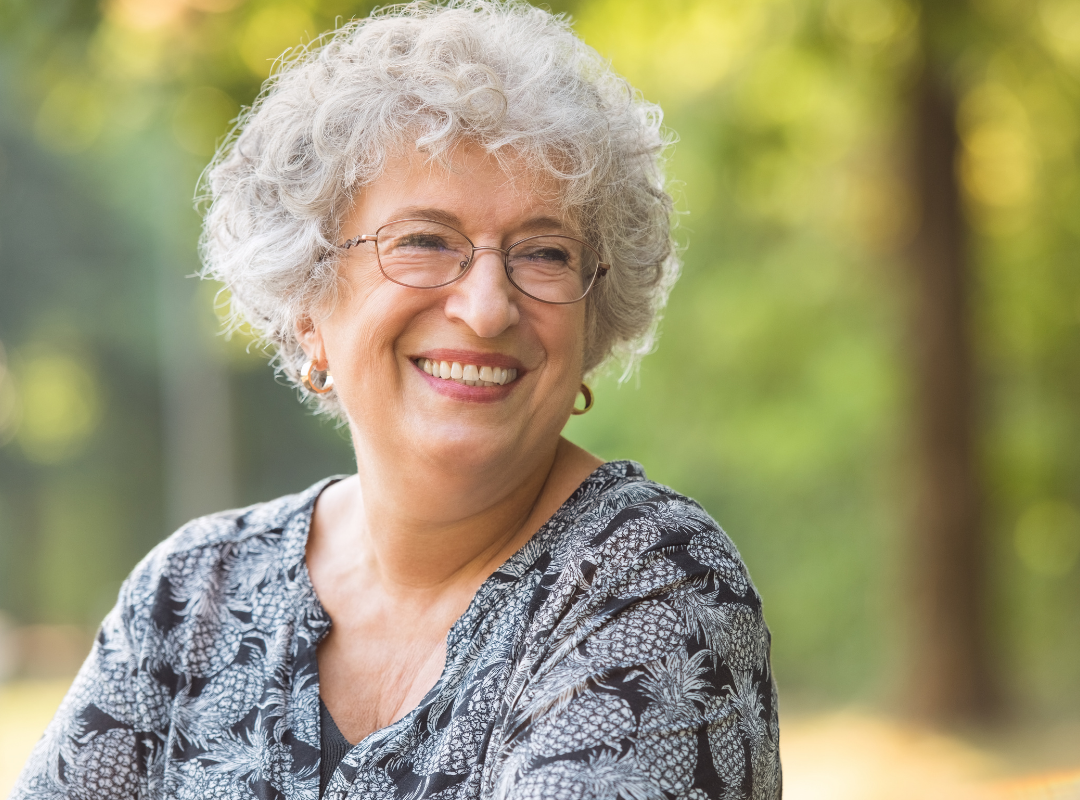
The best hairstyles for women over 70 complement your natural hair texture, density, facial features, glasses, and preferred level of upkeep. Popular choices include textured pixies, layered bobs, soft shags, shoulder-length layers, and face-framing cuts that can be adjusted to suit your personal style.
A style that looks lovely in a photograph may not feel right if it requires more styling or salon visits than you want. Comparing length, texture, maintenance, and everyday comfort can help you find a cut that feels like you.
What Makes a Hairstyle Flattering After 70?
A flattering hairstyle works with your hair and daily routine. It should frame your face in a way you enjoy, fit comfortably around your glasses, and feel manageable on an ordinary morning, not only after a professional blowout.
Hair can become finer, lighter, and less dense with age, although these changes vary from person to person. MedlinePlus explains that individual strands may become smaller and that some follicles eventually stop producing new hair. These changes can affect how a haircut holds its shape, so your natural density matters as much as the length you choose.
A flattering cut usually reflects several connected factors:
- Your natural texture and density
- The amount of face framing you prefer
- Whether you regularly wear glasses
- Your desired daily styling routine
- How often do you want the cut reshaped
A short haircut is not automatically easier, and a longer style is not always more work. A precise pixie may need frequent trims, while shoulder-length waves may require little styling when they follow your natural texture. Think about daily effort and salon upkeep as two separate decisions.
Compare Popular Hairstyles for Women Over 70
The best haircuts for senior women range from closely cropped pixies to soft, shoulder-length layers. This comparison can help you narrow your choices before discussing the details with a stylist.
| Hairstyle | Length | Often Suits | Daily Styling | Salon Upkeep | Glasses-Friendly Features |
| Textured pixie | Very short | Fine, straight, or lightly wavy hair | Low to moderate | More frequent shaping | Soft fringe or longer side pieces |
| Layered bob | Chin to shoulder | Fine, medium, or wavy hair | Moderate | Regular trims | Adjustable face-framing layers |
| Blunt bob | Chin to shoulder | Fine or straight hair | Low to moderate | Precise trims | Clean shape around the frames |
| Soft shag | Short to medium | Wavy or naturally textured hair | Low to moderate | Layer maintenance | Movement around the temples and cheeks |
| Shoulder-length layers | Medium | Straight, wavy, or thicker hair | Moderate | Moderate | Layers can begin below the frames |
| Soft curls or waves | Short to medium | Naturally wavy or curly hair | Varies | Moderate | Shape can be customized around the face |
These are starting points, not strict rules. The length, fringe, layers, and outline of each style can be adjusted. Two women may choose a layered bob and leave the salon with very different looks because their texture, density, glasses, and styling preferences are different.
Short Hairstyles That Balance Style and Manageability
Short hairstyles for a 70-year-old woman can feel polished, expressive, and practical, but the right option depends on how much structure and maintenance you prefer. A shorter cut exposes its shape clearly, so small changes in fringe, layers, and length can make a noticeable difference.
Textured Pixie Cuts
With a textured pixie, movement can be added through the top, crown, or fringe while the overall length stays short. Longer pieces near the forehead or temples can soften the outline and create space around glasses. Ask how the cut will grow between appointments, since a pixie may lose its intended shape sooner than a longer style.
Layered and Blunt Bobs
Layers can create movement and remove weight where the hair feels heavy. Blunt ends produce a stronger outline and may give fine hair a more defined appearance. Chin-length versions frame the jaw closely, while shoulder-grazing bobs preserve more movement and styling flexibility.
Soft Crops and Short Shags
If you prefer texture over a perfectly smooth finish, a soft crop or short shag may be worth discussing with your stylist. These cuts can follow natural bends or waves and may feel less rigid than a classic bob. The placement of the shortest layers matters, especially if you want to avoid extra width near the cheeks or temples.
Medium-Length Hairstyles for Women Who Want More Versatility
Medium-length hair can offer flexibility without requiring you to keep very long hair. It may be long enough to tuck behind your ears or style in different ways while still holding a clear, intentional shape.
Shoulder-Length Layers
Shoulder-length layers can add movement while preserving fullness through the ends. Light face-framing pieces create a softer outline, while all-over layers produce more texture. Ask your stylist how much layering your hair’s density can support before the ends begin to feel too light.
The Layered Lob
A lob is a longer bob that usually falls between the chin and shoulders. It offers more length than a traditional bob while keeping a defined shape. It can also be a comfortable transition if you are considering shorter hair but are not ready for a dramatic change.
Soft Waves and Natural Texture
Natural waves and curls can give medium-length hair body and movement without requiring a highly structured finish. Your stylist should assess the hair when dry or consider how much it shortens as it curls. A cut that appears shoulder-length when wet may sit noticeably higher once the natural texture returns.
Longer hair does not always mean more work. If your hair air-dries into a shape you enjoy, medium-length layers may demand less daily effort than a short cut that requires careful styling.
How to Match a Haircut to Your Hair Texture and Density
Your hair texture describes whether the strands sit straight, wavy, curly, or coiled. Density refers to how much hair grows across the scalp. Both affect whether layers create welcome movement or remove more fullness than you intended.
Fine or Thinning Hair
Fine or thinning hair often benefits from a clear shape and carefully placed layers. A stronger perimeter can make the ends look more defined, while a light crown texture may add movement. Too many short layers can separate the hair and make the outline appear less full, so ask what each layer is meant to accomplish.
According to current Cleveland Clinic guidance, routine hair shedding commonly ranges from about 50 to 150 strands per day. A sudden change, significant thinning, or hair loss that concerns you deserves a conversation with a healthcare professional, since a haircut can change appearance, but cannot address an underlying cause.
Thick Hair
Selected layers can make thick hair easier to shape by removing excess weight from specific areas. The goal is not simply to thin the hair everywhere. Poorly placed layers can create bulk in areas where you do not want it, so discuss where your hair tends to expand and how it behaves after air-drying.
Straight, Wavy, and Curly Hair
The same haircut behaves differently across hair textures. Straight hair often shows the outline of a bob or pixie clearly, while waves and curls create more movement and may shorten as they dry.
Tell your stylist how you usually wear your hair at home. A haircut that depends on daily flat-ironing, curling, or blow-drying may not fit your routine. The American Academy of Dermatology recommends limiting excessive heat and using low or medium heat settings, since heat can damage any hair type.
Hairstyles That Work Well With Glasses After 70
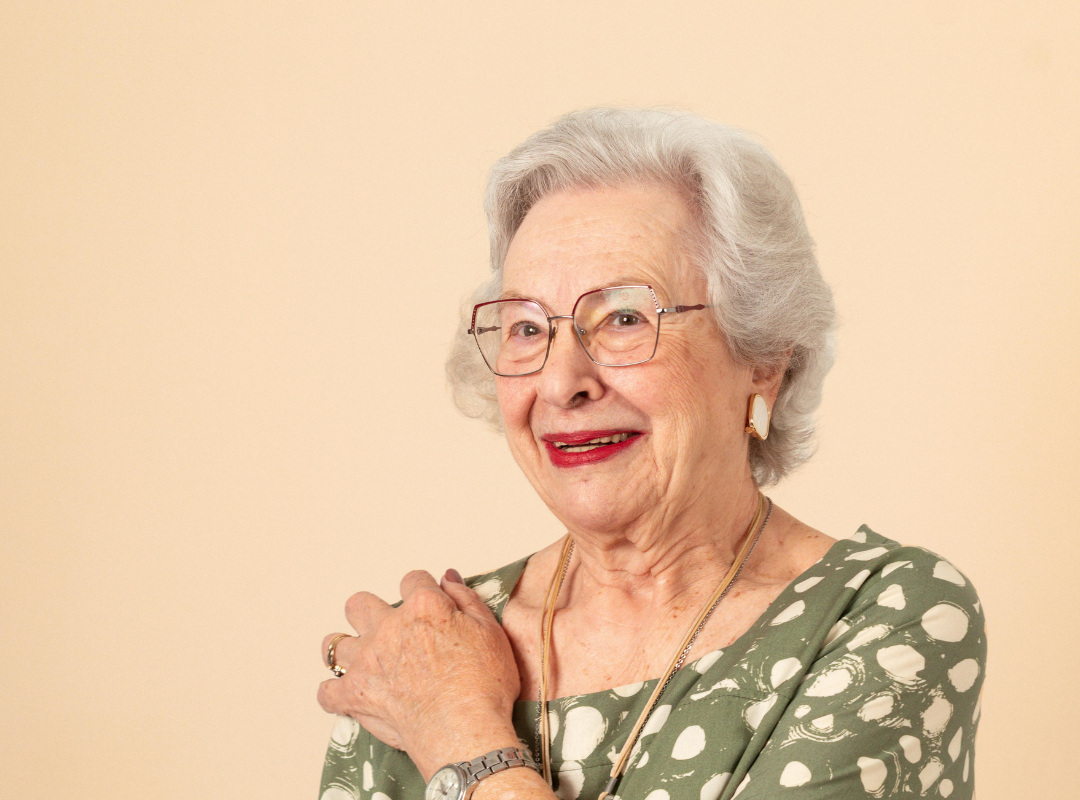
The best hairstyles with glasses create a comfortable relationship between your frames, fringe, and face-framing pieces. The haircut should not constantly fall between your glasses and your face or hide the parts of your frames that you enjoy.
Side-swept fringe, textured pixies, layered bobs, short shags, and shoulder-length layers can all work well with glasses. The details matter more than the style name. A fringe that ends just above the frames creates a different look from one that sweeps across them.
Bring your everyday glasses to your haircut appointment. Then check:
- Where the arms of the glasses meet your hair
- Whether bangs sit above or against the frames
- Whether side pieces fall between the frames and your face
- How does the hairstyle look with your glasses both on and off
Frame size can also change the balance of a haircut. Larger frames may look more open with soft layers or a lifted fringe, while smaller frames may pair well with a stronger bob or closer crop. These are visual choices, so choose the balance that feels most comfortable to you.
A Simple Framework for Choosing Your Next Haircut
A good haircut decision becomes easier when you move beyond asking whether a style looks attractive. Use the LENGTH framework to decide whether it fits your hair, routine, and preferences.
L – Length: How much hair do you want to keep?
E – Everyday effort: How much time do you want to spend styling it?
N – Natural texture: Is your hair straight, wavy, curly, fine, or thick?
G – Glasses and face framing: Where should the cut sit around your frames and face?
T – Trim schedule: How often are you willing to maintain the shape?
H – How you want to feel: Which cut reflects your personality and feels most like you?
Start by removing options that do not match your desired length or everyday effort. Then compare the remaining styles according to texture, glasses, and upkeep. This process is often more helpful than choosing from a long gallery of attractive photographs.
What to Ask Your Stylist Before Changing Your Hairstyle
A clear conversation with your stylist can prevent surprises. Reference images are useful, but the goal is to adapt the idea to your own hair, not reproduce a photograph exactly.
Consider asking:
- How will this cut work with my natural texture?
- What will it look like without blow-drying?
- How often will it need to be reshaped?
- Can the fringe be adjusted for my glasses?
- Will these layers add movement or reduce fullness?
You can also ask for the simplest home-styling method before you leave the salon. Pay attention to how the stylist dries, parts, and shapes the hair, especially if the finished look depends on a tool or technique you do not normally use.
People often focus on the photograph they like most and overlook what created the result. The model may have a different density, curl pattern, color treatment, or styling routine. A better question is not only, “Do I like this haircut?” It is also, “Will this haircut work on a normal day in my life?”
Choose a Look That Supports the Life You Enjoy
The right hairstyle should feel comfortable during the activities and routines that matter to you. At Hillside Senior Living in Montoursville, residents can enjoy art and fitness classes, dining, social spaces, and outings to local museums and restaurants. You can explore Hillside’s amenities or use the Lifestyle Assessment to consider which activities, routines, and community features fit your preferences.
Personal style is one part of feeling at home in your day-to-day life. Hillside offers Personal Care, Memory Care, and Respite Care for people considering different levels of support. To experience the community in person, plan a visit to Hillside or call 570-322-4436.
Frequently Asked Questions
What is the best hair length for a 70-year-old woman?
There is no single best hair length for every 70-year-old woman. The right length depends on your natural texture, density, styling preferences, glasses, and desired upkeep. Pixies and bobs offer a defined shape, while shoulder-length styles preserve more movement and versatility. Choose the length that feels manageable and reflects how you like to wear your hair.
What is the most popular haircut for women over 70?
Pixies, layered bobs, soft shags, crops, and shoulder-length layered cuts are all popular choices for women over 70. A layered bob is especially versatile because the length, fringe, and amount of layering can be adjusted. Popularity should not be the only deciding factor, since the cut must also suit your hair texture and routine. The best option is one you can comfortably maintain and enjoy wearing.
What is a good hairstyle for a 75-year-old woman?
A textured pixie, layered bob, soft shag, or shoulder-length layered cut can all be good options for a 75-year-old woman. Think about how the hair behaves when it dries naturally and how much styling you want to do. Glasses, hair density, and preferred upkeep can also shape the final choice. A stylist can adapt the cut to your features and routine.
What hairstyles look good with glasses after 70?
Side-swept fringe, textured pixies, layered bobs, short shags, and soft shoulder-length layers can all look good with glasses after 70. The most important detail is how the hair sits around the frames. Bring your everyday glasses to the salon so your stylist can adjust the bangs and side pieces. The finished style should feel comfortable and stay out of the space between your face and frames.