570.322.4436
 Montoursville, PA


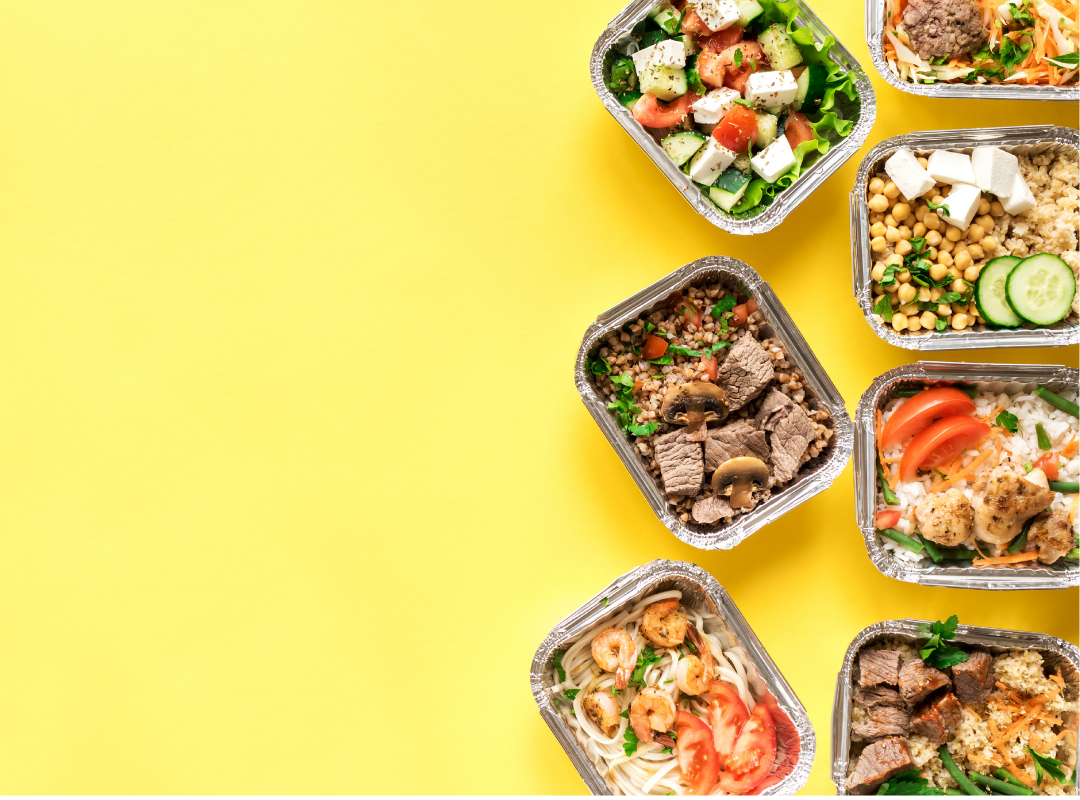
A healthy menu for seniors should include simple, balanced meals with protein, fruits, vegetables, grains, fluids, and familiar foods that support strength, energy, hydration, routine, and enjoyment. The best menus are practical, easy to follow, and flexible enough to match personal preferences and changing care needs.
At Hillside Senior Living in Montoursville, PA, daily life includes dining, social spaces, and supportive care options that can help make meals feel more consistent and connected. This can be especially meaningful when you are helping a parent or loved one plan for personal care, memory care, or respite care.
What Makes a Healthy Menu for Seniors Different?
A healthy menu for seniors is a daily meal plan that supports strength, steady energy, hydration, and personal preference. It often includes familiar foods, balanced portions, and simple choices that make eating feel easier and more enjoyable.
Food needs can shift with age. The National Council on Aging explains that a 20-year-old body and a 60-year-old body have different nutritional needs, which is why thoughtful meal choices matter for older adults. Families can also review healthy eating tips for seniors from the National Council on Aging for general nutrition guidance.
Building Balanced Meals Around Strength, Energy, and Routine
Balanced meals help seniors feel more supported throughout the day. A good diet for seniors often includes a mix of protein, fruits, vegetables, grains, fluids, and foods they already know and enjoy.
What to Include Each Day
Each day should include meals and snacks that feel manageable. The USDA’s MyPlate guidance for older adults can help families think about food groups in a simple, visual way.
Why Routine Matters
Routine can make meals easier to follow and more reassuring. This is especially helpful when someone benefits from personal care, memory care, or respite care, where steady daily patterns can support a calmer, more predictable day.
Sample Senior Menu Ideas Families Can Adapt
A simple senior menu works best when it gives structure without feeling rigid. Families can use the ideas below as a starting point, then adjust for taste, appetite, and personal needs. For added meal planning support, the National Institute on Aging shares healthy meal planning tips for older adults.
| Meal Time | Simple Menu Idea | Why It Helps | Easy Family Tip |
| Breakfast | Oatmeal with fruit and a protein choice | Supports a steady start to the day | Keep breakfast familiar and easy to repeat |
| Lunch | Soup, sandwich, soft fruit, and water | Makes lunch for seniors simple and balanced | Choose foods that are easy to chew and enjoy |
| Dinner | Protein, vegetables, grains, and a drink | Creates a complete evening meal | Keep portions comfortable and flexible |
| Snack | Yogurt, fruit, crackers, or a small smoothie | Adds nourishment between meals | Offer snacks at predictable times |
| Hydration | Water or preferred fluids throughout the day | Helps support daily comfort | Keep drinks visible and within reach |
These healthy meals for seniors and healthy meals for elderly loved ones should be adapted to personal needs. The best healthy recipes for seniors are usually the ones that feel realistic, familiar, and easy to enjoy.
How Care Needs Can Shape Meal Planning
Care needs can affect how meals are planned, served, and enjoyed. Some seniors may need reminders, a calm setting, help with routines, or short-term support during a family transition.
Personal Care
Personal Care may help make daily routines feel more manageable. When meals happen as part of a steady day, seniors may feel more confident and supported.
Memory Care
Memory Care may benefit from familiar foods, calm routines, and a comfortable dining setting. Simple choices and predictable mealtimes can help reduce stress around eating.
Respite Care
Respite Care can support families during short-term needs or transitions. It can also help maintain a familiar rhythm when a loved one needs temporary care and daily structure.
Families can explore Hillside’s approved care options on the Levels of Care page. For related support, you may also find this personal care resource from Hillside Senior Living useful when thinking through daily needs.

Making Meals More Enjoyable, Not Just Nutritious
Good meals are about more than nutrients. Taste, comfort, conversation, and setting can all shape how someone feels about eating.
Dining can also connect naturally with daily life. At Hillside Senior Living, amenities such as activity rooms and social spaces, fitness classes, game nights, movie screenings, religious services, and outings to local Montoursville attractions can help meals feel like part of a fuller, more engaging routine. Learn more about the community setting on the Amenities page.
Questions Families Can Ask About Dining and Daily Support
The right questions can help you feel more confident as you compare care settings. They can also help you understand how meals fit into daily routines, preferences, and support needs.
Helpful questions include:
- What dining options are available each day?
- How are personal preferences considered?
- What support is available for daily routines?
- How do meals connect with activities and social spaces?
- What care option may fit current needs best?
If you are unsure what type of support may fit your loved one, taking time to review daily routines, care needs, and dining preferences can be a helpful next step.
A Thoughtful Menu Can Support a More Confident Next Step
A healthy menu for seniors is about more than planning food. It can support daily rhythm, dignity, energy, and a sense of comfort around mealtimes. For families, that clarity can make the next care decision feel less uncertain.
If you would like to see how dining, care, and community life come together at Hillside Senior Living, you can schedule a tour or contact us with your questions for a simple conversation about what may fit your loved one’s daily routine.
Frequently Asked Questions
What should a 2-week menu include for the elderly?
A 2-week menu for the elderly should include breakfast, lunch, dinner, snacks, and fluids for each day. It should offer variety while keeping meals familiar and easy to follow. A good plan may rotate proteins, fruits, vegetables, grains, and preferred foods so meals do not feel repetitive. Families should also leave room for appetite changes and personal preferences.
What are 5 foods that seniors should eat?
Five helpful food categories for seniors may include protein foods, fruits, vegetables, grains, and fluids. These categories can support energy, strength, hydration, and daily comfort. The best choices are often simple foods a senior already enjoys and can eat safely. Families should adjust meals based on personal needs and guidance from the right care professional.
What is the 3-3-3 rule for healthy eating?
The 3-3-3 rule for healthy eating is often used as a simple way to think about balanced choices across the day. For seniors, it can be helpful to focus on regular meals, steady hydration, and a mix of nourishing food groups. It should not be treated as a strict medical rule. A healthy menu works best when it fits the person’s appetite, routine, and preferences.
What is a good menu for seniors?
A good menu for seniors includes balanced meals, familiar foods, fluids, and simple snacks throughout the day. It should support strength and energy without feeling complicated. Meals should also be enjoyable, easy to follow, and flexible enough for changing needs. The best healthy menus for seniors are often the ones that feel realistic for daily life.