570.322.4436
 Montoursville, PA


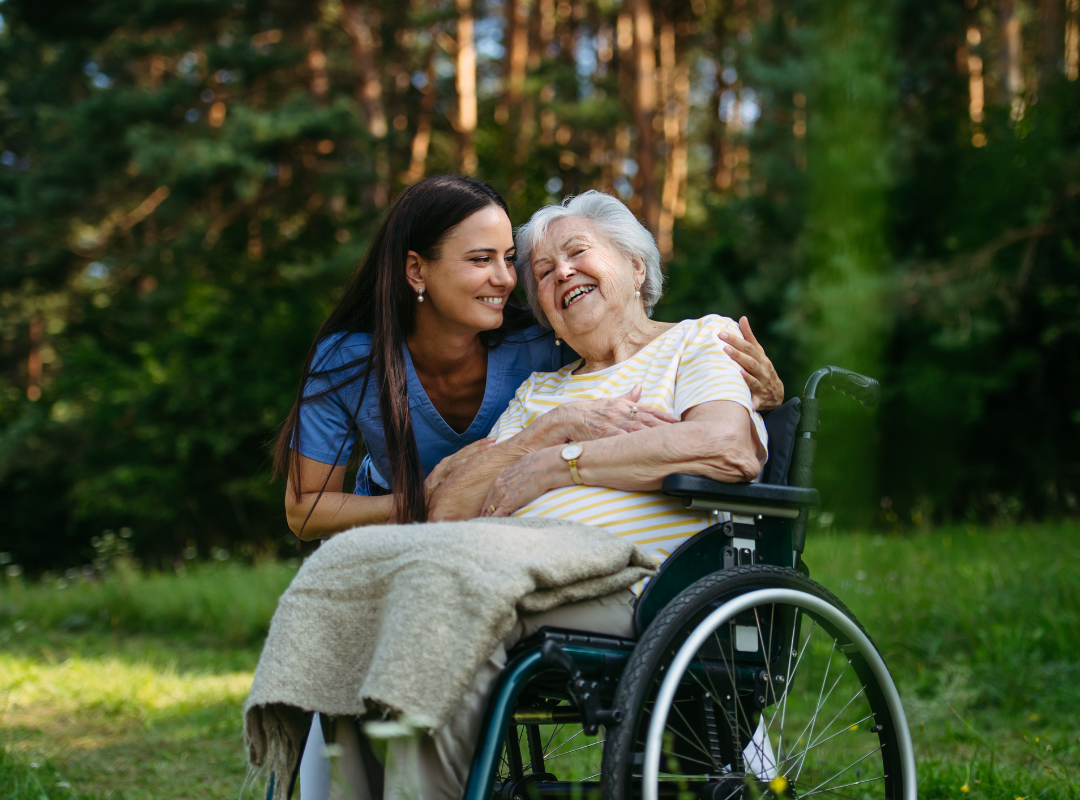
Senior living with memory care gives older adults daily support, familiar routines, and memory-focused assistance in a community setting, helping families feel more confident when home care begins to feel harder to manage safely because of changing personal care, medication, meal, or supervision needs.
At Hillside Senior Living in Montoursville, PA, families can explore care options that support safer daily living while keeping connection, dignity, and meaningful routines in focus. Here is what to know as you compare memory care, personal care, respite care, and other support options for someone you love.
What Senior Living With Memory Care Means
Senior living with memory care is a care setting designed for older adults who need daily support and memory-focused assistance. It can help seniors who are living with dementia, memory loss, or changing daily needs that make routines harder to manage at home.
A memory care community often supports meals, personal care, medication assistance, activities, and a steadier daily rhythm. The Alzheimer’s Disease Facts and Figures report estimates that 7.4 million Americans age 65 and older are living with Alzheimer’s in 2026, which shows why clear care planning matters for many families. Hillside Senior Living offers Personal Care, Memory Care, and Respite Care in Montoursville, giving families options as needs change.
Personal Care and Memory Care: How They Work Together
Personal care and memory care both support older adults with daily needs, but memory care adds more structure for people with dementia or memory-related changes. Families may compare these care options when they want daily support that respects independence while also addressing safety, routine, and changing memory needs.
At Hillside Senior Living, available services include Personal Care, Memory Care, and Respite Care. This matters because your loved one may need help with daily routines, personal support, or memory care, living in a setting that feels steady and reassuring.
When a Memory Care Community May Be the Safer Choice
A memory care community may be a safer choice when daily life starts to feel unpredictable or difficult to manage at home. You may notice patterns that make you pause, especially when your loved one’s needs are changing.
Common signs may include:
- Missed meals or changing eating routines
- Medication concerns
- Difficulty with personal routines
- More stress for family caregivers
- Less social connection during the day
It may also be time to explore senior living and memory care when your loved one needs more structure, reassurance, and daily connection. Hillside Senior Living supports daily life with dining, medication assistance, housekeeping services, laundry services, activity rooms, and welcoming social spaces.
Comparing Care Options for Seniors With Memory Needs
Choosing care is easier when you can compare the role of each option clearly. The right fit depends on safety, personal support needs, memory-related changes, and how much help family caregivers can provide.
| Care Option | Best Fit For | Type of Support | Family Consideration |
| Personal Care | Seniors who need help with daily routines | Personal support, meals, medication assistance, and daily services | Maybe a fit when daily tasks are becoming harder |
| Memory Care | Seniors with dementia or memory-related needs | Structured routines, memory-focused support, and daily assistance | May help when safety and consistency are growing concerns |
| Respite Care | Short-term support needs | Temporary care and caregiver relief | May help during transitions or when families need added support |
| Nursing homes with memory care | Seniors with higher care needs | More intensive care support | May be considered when needs go beyond community-based support |
If you are unsure which option fits best, a care assessment can help you think through daily needs, safety concerns, and support preferences. For a deeper look at value-focused planning, you can also read Cost of Memory Care: What Is Included in Monthly Fees?.
What Daily Life Can Look Like in Memory Care Senior Living
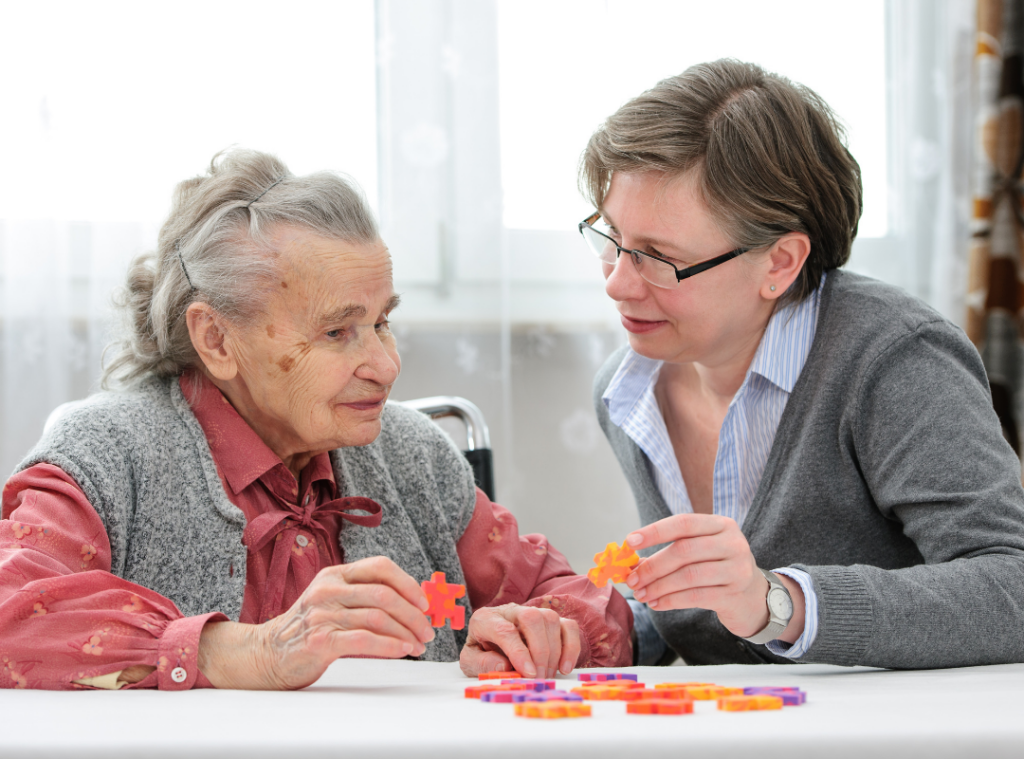
Daily life in memory care senior living can feel more manageable when routines are steady and support is close by. A familiar rhythm of meals, activities, personal support, and social time can help each day feel more settled.
At Hillside Senior Living, residents may enjoy art classes, fitness classes, game nights, movie screenings, religious services, and outings to local Montoursville attractions, including museums and restaurants. Practical services such as dining, housekeeping, laundry, Wifi and cable TV access, transportation, and on-site rehabilitation services also support daily living.
How Families Can Decide Between Home Care, Memory Care, and Nursing Care
The best place for someone with dementia depends on safety, daily needs, caregiver support, and the level of structure that helps the person feel secure. Some families can continue care at home when support is steady and needs are manageable.
A memory care community may be helpful when your loved one needs routine, personal assistance, and more consistent daily support. The CDC caregiver resources explain that caring for someone with Alzheimer’s disease or related dementias can become more challenging as daily needs increase, while the National Institute on Aging offers caregiver worksheets for families organizing care tasks, home safety, medications, and provider questions. Nursing homes with memory care may be considered when care needs are higher than what family support or community-based care can provide.
A Thoughtful Next Step for Safer, More Supported Days
Choosing senior living with memory care is about more than finding care. It is about helping your loved one have safer days, meaningful connections, and support that fits their changing needs with dignity.
If you are exploring the next step, you can schedule a tour of Hillside Senior Living or contact us with questions to speak with the team. A simple conversation can help you picture what daily support may look like for your family.
Frequently Asked Questions
What is the difference between personal care and memory care for seniors with dementia?
Personal care generally supports older adults with daily personal needs, while memory care provides added structure for people with dementia or memory-related changes. Memory care may include more routine, closer daily support, and assistance with tasks that have become harder to manage. Families often compare personal care and memory care when safety, consistency, and personal support are becoming bigger concerns. Hillside Senior Living offers Personal Care and Memory Care for families exploring these needs.
Where is the best place for someone with dementia to live?
The best place for someone with dementia depends on their safety, daily care needs, routines, and available support. Some people do well at home when family or caregiver support is steady, and needs are manageable. Others may benefit from a memory care community when they need more structure, daily assistance, and social connection. The right choice should help the person feel supported while giving the family greater clarity.
Do dementia patients do better at home or in a nursing home?
Dementia patients may do better at home or in a care setting, depending on their needs and support system. Home can work well when routines are safe, care is consistent, and family caregivers have enough help. A memory care community may be a better fit when safety, daily structure, or personal support becomes harder to manage. Nursing care may be considered when needs are higher and require a different level of support.
What is the 90-second rule for dementia patients?
The 90-second rule is a calm-response approach that gives a person with dementia a short moment to process emotions before redirecting the conversation. The goal is to respond with patience, reassurance, and a steady tone. This can be helpful when a loved one feels confused, upset, or overwhelmed. Families often use this kind of approach to reduce tension and make daily interactions feel calmer.