570.322.4436
 Montoursville, PA


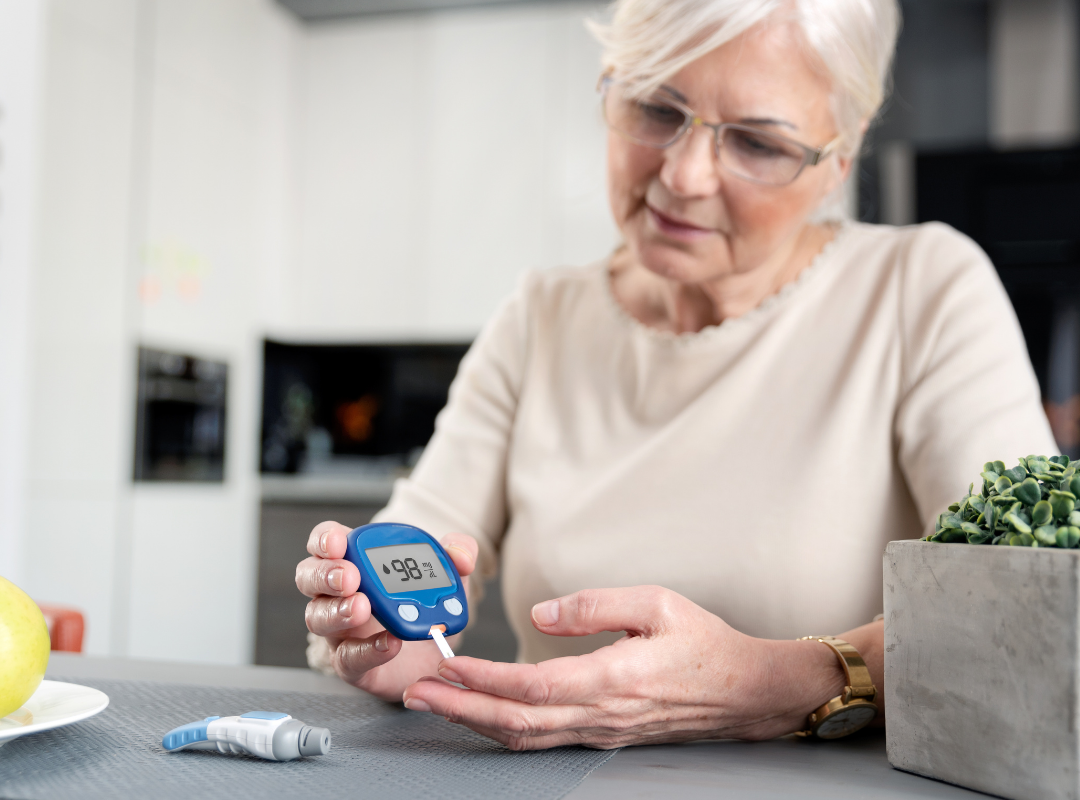
An elderly blood sugar levels chart helps you compare fasting, before-meal, after-meal, random, and A1C results with general diagnostic ranges and common diabetes-management targets. An older adult’s personal target may differ based on overall health, medications, diabetes history, cognitive abilities, daily function, and the risk of low blood sugar.
The timing and type of test matter as much as the number itself. A morning result is not always a fasting result, and an after-meal reading should not be compared with a fasting range. This information is for general education and does not replace an individual medical plan.
Elderly Blood Sugar Levels Chart by Test and Timing
This elderly blood sugar levels chart separates diagnostic ranges from common treatment targets. Diagnostic ranges help healthcare professionals identify normal blood sugar, prediabetes, or diabetes. Treatment targets guide daily management for someone who has already been diagnosed.
| Type of reading | When it is measured | Type of range shown | General range or target | What families should remember |
| Fasting plasma glucose | Laboratory test after at least eight hours without food or caloric drinks | Diagnostic laboratory range | Normal: below 100 mg/dL; prediabetes: 100–125 mg/dL; diabetes: 126 mg/dL or higher | A home meter reading alone cannot diagnose diabetes |
| Before-meal blood sugar | Immediately before eating | Common diabetes-management target | 80–130 mg/dL for many nonpregnant adults with diabetes | An older adult’s personal target may be different |
| After-meal blood sugar | One to two hours after the beginning of a meal | Common diabetes-management target | Below 180 mg/dL for many nonpregnant adults with diabetes | Record how long after the meal the test was taken |
| Random plasma glucose | Laboratory test taken at any time | Diagnostic laboratory threshold | 200 mg/dL or higher with classic symptoms of high blood sugar or a hyperglycemic crisis may indicate diabetes | A random home reading alone should not be used to diagnose diabetes |
| A1C | Laboratory test reflecting the previous two to three months | Diagnostic laboratory range | Normal: below 5.7%; prediabetes: 5.7%–6.4%; diabetes: 6.5% or higher | A personal A1C treatment goal may differ from these diagnostic ranges |
| Bedtime blood sugar | Before going to sleep | Individualized management target | Set by the person’s care team | Follow the established medical plan, especially when medication may cause overnight lows |
The American Diabetes Association’s diagnostic guidance identifies fasting plasma glucose below 100 mg/dL and A1C below 5.7% as normal diagnostic ranges. The Centers for Disease Control and Prevention’s monitoring guidance lists common targets of 80–130 mg/dL before meals and below 180 mg/dL one to two hours after meals for many nonpregnant adults with diabetes. These management targets are not universal goals for every older person.
What “Normal” Blood Sugar Means for an Older Adult
A normal diagnostic range and a safe personal blood sugar target are not always the same. Diagnostic ranges help identify possible prediabetes or diabetes. Personal targets help someone manage an existing diagnosis from day to day.
General Reference Range Versus Personal Target
A reference range shows how a result compares with established testing categories, while a personal target is selected after considering the individual’s health and treatment plan. This is why a number outside a general blood sugar level chart may still fall within the range chosen for a particular older adult. Whether a reading is worrisome also depends on symptoms, medications, recent meals, activity, illness, usual glucose patterns, and the person’s medical instructions.
Why Age Alone Does Not Determine the Target
There is no single set of blood sugar normal readings for everyone over age 65 or 80. Overall health, diabetes history, medication use, memory changes, daily abilities, and the risk of low blood sugar may all affect the recommended goal. The National Institute on Aging’s guidance on diabetes in older adults encourages older people to work with their care team to manage diabetes and reduce related health risks.
How to Interpret Morning, After-Meal, and A1C Readings
Fasting glucose, post-meal glucose, and A1C measure different things. You cannot compare them as though they are interchangeable. Before deciding whether glucose levels are normal, first confirm what was measured and when.
Morning and Fasting Blood Sugar
A healthy fasting blood sugar reading is taken after at least eight hours without food or caloric drinks. A test performed in the morning does not automatically count as fasting if the person ate overnight, drank something containing calories, or had breakfast first. Record the time, whether the person had fasted, and anything else that may have affected the reading.
After-Meal Blood Sugar
An after-meal reading must include the testing interval because a result taken one hour after a meal cannot be compared accurately with a target intended for two hours after the meal began. Write down when the meal started and when the glucose was checked. Recording both times gives your loved one’s care team a clearer picture of what the result means.
For general senior meal-planning ideas, you can also explore healthy menu ideas for seniors. This resource is not a diabetes-specific meal plan, so food choices for someone with diabetes should continue to follow individualized nutrition and medical guidance.
A1C and Average Glucose
A1C reflects average glucose over roughly the previous two to three months. It does not show each high or low that happened during that period, so a person can have an acceptable average while still experiencing significant daily changes. The American Diabetes Association’s A1C guidance explains the diagnostic categories, but a treatment goal for someone already living with diabetes must be personalized.
When a Blood Sugar Reading May Be Worrisome
A reading may be concerning when it is unusually high or low for that person, occurs repeatedly, comes with symptoms, or falls outside the action plan provided by the care team. One isolated number offers less information than a pattern that includes test timing, meals, medications, activity, illness, and symptoms.
Look Beyond One Isolated Number
Before reacting to a result, confirm four details:
- What type of glucose reading was taken?
- When was it checked in relation to food?
- Were symptoms or unusual behavior present?
- What personal target and response plan was established?
Do not change medication, food, or testing routines based only on a general chart. Contact the person’s clinician when a result is unexpected, repeated, or difficult to interpret.
Possible Signs of Low Blood Sugar
The CDC defines blood sugar below 70 mg/dL as low. Possible signs include shaking, sweating, dizziness, hunger, a fast heartbeat, irritability, or confusion. Severe low blood sugar is below 54 mg/dL and may lead to weakness, trouble walking or seeing, unusual behavior, seizures, or fainting. These signs may be harder to recognize when an older adult already has memory or communication changes, so families should know the person’s usual warning signs and response plan.
Possible Signs of High Blood Sugar
Possible signs of high blood sugar include increased thirst, frequent urination, fatigue, blurred vision, irritability, or increased hunger. These symptoms can have more than one cause, so consider them alongside the glucose reading and the person’s medical plan. The CDC advises people with diabetes who are sick and have a blood sugar of 240 mg/dL or higher to check for ketones and call their clinician if ketones are high.
Follow the Person’s Medical Action Plan
The safest next step comes from the plan created for that individual. It should explain when to recheck glucose, when to contact the care team, and what to do when a reading is high or low.
Call emergency services if the person loses consciousness, has a seizure, cannot swallow safely, has severe trouble breathing, or is rapidly getting worse. The CDC’s low-blood-sugar treatment guidance recommends giving fast-acting sugar only when the person is awake and able to swallow.
A Simple Blood Glucose Monitoring Chart for Families
A blood glucose monitoring chart should show more than the result. Recording meals, medication timing, symptoms, and unusual events helps you and the care team see patterns that a list of numbers may hide.
| Date and time | Reading | Meal timing | Food or drink | Medication timing | Symptoms or behavior | Activity, illness, or other notes |
Use the same unit and recording method each time. Note whether the result came from a finger-stick meter, continuous glucose monitor, or another method approved for the person. Record medication timing without changing the medication schedule unless a clinician directs you to do so.
The CDC explains that monitoring can reveal what affects glucose readings and help a care team make informed decisions about a diabetes plan. Many meters save results, but a written record can add details that the device may not capture.
Questions to Ask at the Next Healthcare Appointment
Bring the monitoring record and ask what fasting and after-meal targets apply, when an unexpected result should be rechecked, which symptoms require a call or urgent help, and how often glucose records and A1C should be reviewed. Clear written instructions can reduce uncertainty for everyone involved in the person’s care.

Common Blood Sugar Chart Mistakes Families Can Avoid
A blood sugar chart becomes less useful when the test type, timing, or personal target is unclear. Many misunderstandings come from applying the correct number to the wrong situation.
Common mistakes include treating every morning result as fasting, comparing an after-meal reading with a fasting range, and assuming a diagnostic threshold is the same as a daily treatment goal. Turning 80 also does not create a universal A1C target. Overall health, daily function, medications, and the risk of low blood sugar help determine an appropriate goal.
Other concerns include focusing on high glucose while overlooking low blood sugar, changing routines without medical guidance, recording a number without its context, and assuming confusion or weakness is simply part of aging. Before interpreting a result, confirm what was measured, when it was measured, whether symptoms were present, and which personal target was established.
When Daily Health Needs Begin to Require More Support
Repeatedly missed glucose checks, uncertainty about whether medication was taken, or difficulty coordinating meals and monitoring can signal a need to review an older adult’s daily support. Memory changes may also make it harder to follow instructions, recognize symptoms, or explain what happened before an unusual result.
You may also notice that family members are struggling to maintain accurate records or manage a consistent routine. A glucose result alone does not determine the right type of care, but changes in daily abilities can signal a need to look at the bigger picture. Hillside’s Care Assessment can help you consider broader care needs and identify questions to discuss as a family.
Explore Personalized Senior Support at Hillside Senior Living
An elderly blood sugar levels chart provides general context, but dependable daily routines and individualized medical guidance matter most. Hillside Senior Living in Montoursville, Pennsylvania, offers Personal Care, Memory Care, and Respite Care, along with medication assistance, dining, transportation, housekeeping, laundry services, and on-site rehabilitation services. Medical decisions should remain with your loved one’s care team, while daily support may help routines feel more consistent.
You can explore Hillside’s care options or schedule a personal tour to discuss your loved one’s routine and support needs. For a lower-commitment first step, contact Hillside.
Frequently Asked Questions
What Is a Normal Blood Sugar Level for Elderly People?
Normal diagnostic blood sugar ranges do not change solely because a person is older. Fasting plasma glucose below 100 mg/dL and A1C below 5.7% fall within general normal diagnostic ranges. A person who already has diabetes may have a different treatment target based on health, medication, function, and low-blood-sugar risk. Follow the range provided by the older adult’s care team.
What Is a Worrisome Glucose Level?
A glucose level may be worrisome when it is below 70 mg/dL, remains unusually high for the person, repeats, or occurs with concerning symptoms. If someone with diabetes is sick and has a reading of 240 mg/dL or higher, CDC guidance recommends checking for ketones and contacting a clinician if ketones are high. Severe confusion, seizures, fainting, inability to swallow, trouble breathing, or a rapidly worsening condition requires urgent help. Follow the individual response plan supplied by the care team.
What Is the Normal Sugar Level for an 80-Year-Old?
There is no separate universal normal blood sugar range based only on being 80 years old. General diagnostic ranges remain the same, but personal treatment goals may be adjusted according to overall health, cognitive status, daily function, medication use, and the risk of low blood sugar. A normal fasting plasma glucose result for diagnostic purposes is generally below 100 mg/dL. The person’s clinician should set the daily target.
What Is an Acceptable A1C for an 80-Year-Old?
An acceptable A1C for an 80-year-old must be individualized. For diagnosis, an A1C below 5.7% is normal, 5.7% to 6.4% indicates prediabetes, and 6.5% or higher indicates diabetes. These categories are not automatically the same as a treatment goal for someone already managing diabetes. Overall health, medications, cognitive abilities, daily function, and low-blood-sugar risk should guide the personal goal.