570.322.4436
 Montoursville, PA


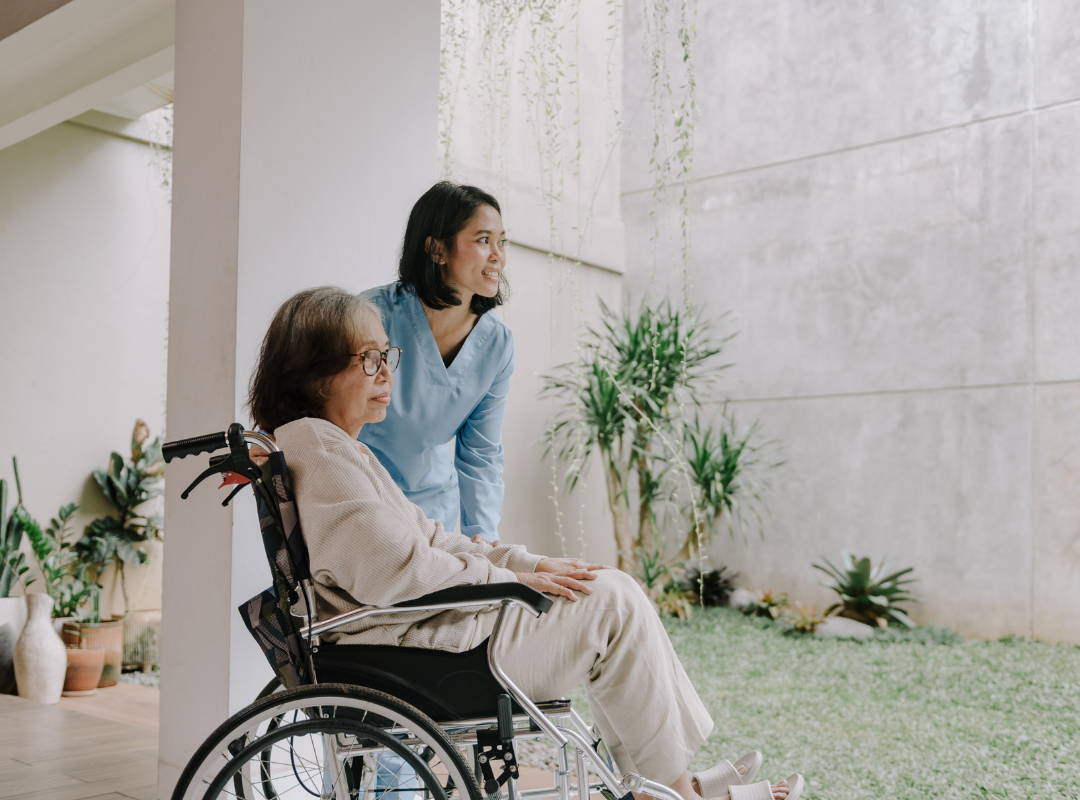
When is it time for memory care? It may be time when memory-related changes repeatedly affect a person’s safety, daily routines, health, or ability to remain at home with the support currently available. Families should look at the full pattern of needs, including how much assistance and supervision the person requires.
This decision is rarely based on one difficult day or a single mistake. You may be weighing good days against troubling incidents, wondering whether more help at home is enough, or questioning how long your family can manage the current situation. Looking at safety, daily function, care consistency, and caregiver capacity can make the next step clearer.
When Is It Time for Memory Care?
It may be time for memory care when a person can no longer manage daily life safely and consistently with their current support. A diagnosis or dementia stage can provide useful context, but it does not determine the right time by itself. What matters most is how memory-related changes affect the person’s everyday needs.
A four-part review can help your family make sense of what you are seeing:
- Safety: Can the person remain safe without frequent or continuous supervision?
- Daily function: Can they manage meals, hygiene, medication, mobility, and familiar routines?
- Care consistency: Can the current support system meet their needs every day and night?
- Caregiver capacity: Can family caregivers continue without leaving important needs unmet or harming their own well-being?
Good days can make serious concerns easier to dismiss. Try to judge the overall pattern across several days and situations, not only how the person appears during a short visit or calm part of the day.
Signs That Memory-Related Changes Are Affecting Safety
Safety concerns deserve attention when they happen repeatedly, create serious risk, or require more supervision than your family can provide. These concerns may include getting lost in familiar places, leaving home without understanding the danger, forgetting household hazards, falling, or being unable to respond appropriately during an emergency.
The National Institute on Aging’s home safety guidance explains that Alzheimer’s-related changes can create risks throughout the home, including in kitchens, bathrooms, bedrooms, and outdoor areas. Families may be able to reduce some risks by changing the environment, but home modifications may not be enough when judgment, orientation, or mobility continues to decline.
One isolated mistake does not always mean someone needs memory care. Record what happened, how serious it was, what caused it, and how much help was needed afterward. A written pattern gives your family and the person’s healthcare professionals clearer information than a general statement that things seem worse.
If you are unsure how several concerns fit together, Hillside’s Care Assessment can help you think through the level of support that may be appropriate.
Daily Routines That May Signal a Need for More Support
Daily tasks can reveal changes that are not obvious during a conversation or a brief visit. A person may still speak clearly and recognize family members while having growing difficulty with bathing, dressing, eating, medication routines, laundry, housekeeping, or following familiar steps.
Look at the amount of support each task requires. Can the person complete it safely without reminders? Do they need repeated prompting, close supervision, or hands-on assistance? Completing a task occasionally is different from managing it safely and consistently every day.
Family members may also see different levels of ability because they visit at different times. One relative may see a calm morning, while another handles confusion, missed meals, or unfinished routines later in the day. Sharing specific observations can help the family build a more complete picture.
As needs change, comparing different levels of care can clarify whether added support at home, respite care, personal care, or memory care deserves further discussion.
Changes in Behavior, Communication, and Social Engagement
Changes in behavior or communication can indicate that a person needs more structure and support. These may include growing confusion, repeated questions, trouble explaining needs, changes in sleep, withdrawal from familiar activities, agitation, fear, or distress when routines change.
A sudden or major behavioral change should be discussed with an appropriate healthcare professional. Families may not be able to tell whether the change is connected to dementia, discomfort, illness, medication, or another cause. Clear notes about when the behavior began and what was happening at the time can support that conversation.
How Memory Care Activities Fit Into the Decision
Memory care activities are more than ways to fill time. A thoughtful activity schedule can provide routine, movement, social interaction, and opportunities to take part in familiar interests. The National Institute on Aging recommends adapting activities to a person’s abilities and interests so they remain manageable and meaningful. Its activity guidance for people with Alzheimer’s also notes that simple household, social, and recreational activities can support participation.
At Hillside, relevant activities and amenities include art classes, fitness classes, game nights, movie screenings, religious services, social spaces, and outings to Montoursville museums and restaurants. During a visit, ask how activities are selected and whether participation can be adjusted to a resident’s interests and current abilities.

When Caregiver Capacity Becomes Part of the Decision
Caregiver capacity is a valid part of care planning. Memory care may need serious consideration when supervision has become continuous, the caregiver cannot sleep or leave the home safely, important tasks are being missed, or physical assistance is no longer manageable.
The strain may also affect work, relationships, health, and other family responsibilities. According to the 2026 Alzheimer’s Disease Facts and Figures report, approximately 12.7 million family members and other unpaid caregivers provided an estimated 19.6 billion hours of support to people living with Alzheimer’s or other dementias in 2025. The report also found that 59% of family caregivers rated the emotional stress of caregiving as high or very high.
Caregiver exhaustion does not mean you have failed the person you love. It may mean their needs have grown beyond what one household or family network can meet reliably. Ask whether the current arrangement can continue safely, not only whether everyone can manage for one more week.
Home Support, Respite Care, or Memory Care: What Fits the Current Need?
Memory care is not the only possible next step. The right option depends on how much support the person needs, whether supervision is required throughout the day or night, and whether the current care plan remains reliable.
| Care Option | May Fit When | Important Limitation to Consider | Question for Your Family |
| Additional support at home | Needs remain manageable, and safe routines can still be maintained | Coverage may be limited or inconsistent | Can the required support be provided every day and night? |
| Respite care | A caregiver needs temporary support or time to reassess the situation | Temporary care may not solve an ongoing care gap | Is this a short-term need or part of a lasting change? |
| Memory care | Ongoing structure, assistance, and memory-focused support are needed | Services and daily routines differ between communities | What support is available throughout the day? |
| Higher-level clinical care | Medical or skilled care needs exceed the options being considered | The appropriate setting depends on clinical needs | Has a qualified professional assessed the person’s current needs? |
Hillside Senior Living offers Personal Care, Memory Care, and Respite Care. These options give families a way to discuss whether the current need is temporary, connected to everyday personal support, or related to ongoing memory changes.
Practical needs are only one part of the comparison. Families may also need to understand the time, services, and ongoing responsibilities involved in each option. Hillside’s Cost Comparison can help organize those factors without reducing the decision to one number.
What Is a Memory Care Facility or Memory Care Unit?
A memory care facility is a residential senior living setting that provides structured daily support for people experiencing Alzheimer’s disease, dementia, or other memory-related changes. A memory care unit may describe a dedicated area within a larger senior living community.
Families asking, “What are memory care facilities?” may expect every community to provide the same care model. The term alone does not explain how daily assistance, activities, medication support, family communication, or changing needs are handled. Two communities may both use the words “memory care” while organizing their services and routines differently.
The Alzheimer’s Association defines dementia as a general term for changes in memory, language, problem-solving, and other thinking abilities that are serious enough to interfere with daily life. This connection to everyday function is why families should examine what the person needs each day, not only the name of the diagnosis.
Useful questions to ask a memory care provider include:
- What daily assistance is available?
- How are changing needs reviewed?
- How are medication routines supported?
- How are activities adjusted for different abilities?
- How does the community communicate with families?
Focus on what happens in daily life. Ask who provides support, how often it is available, what is included, and what happens if the person’s needs change. Hillside’s related resource on senior living with memory care and daily support can help you prepare for a more detailed comparison.
Dementia Stage Matters, but It Should Not Be the Only Measure
No single dementia stage automatically determines when memory care is needed. People within the same general stage can have very different safety risks, daily abilities, behaviors, living environments, and family support systems.
One person may remain safe with reminders and regular assistance, while another may need close supervision because of wandering, falls, missed medication, or an inability to communicate basic needs. The family’s ability to provide dependable care also changes what is realistic.
Memory care decisions are usually based on functional needs and safety patterns, not dementia stage alone. A healthcare professional can help your family understand changes in the person’s condition, while a care provider can explain what support is available in a particular setting.

A Practical Family Review Before Making the Decision
A short family review can turn scattered concerns into useful information. Unless there is an immediate safety risk, record what is happening over several days and compare observations from the people who provide care at different times.
Use these five steps:
- Record recurring concerns and the support each incident required.
- Compare calm periods with more difficult parts of the day.
- List all current help, including meals, transportation, medication reminders, housekeeping, and overnight supervision.
- Identify needs that are no longer covered consistently.
- Share specific findings with appropriate healthcare professionals and care providers.
A needs-versus-coverage chart can make hidden gaps easier to see:
| Need | How Often It Occurs | Who Currently Handles It | Is Coverage Reliable? |
| Medication reminders | |||
| Meal support | |||
| Personal care | |||
| Transportation | |||
| Evening or overnight supervision |
Include unpaid care and informal support in the review. A routine may appear manageable only because several relatives are quietly rearranging work, sleep, and family responsibilities to maintain it. Seeing the complete care picture can make the discussion more realistic and fair.
Explore Memory Care in Montoursville With Clearer Questions
Hillside Senior Living in Montoursville offers Memory Care, Personal Care, and Respite Care, along with medication assistance, dining, laundry, housekeeping, on-site transportation, and on-site rehabilitation services. Memory Care starts at $5,000, with a one-time, non-refundable community fee equal to one month’s rent. Families can ask what the starting rate includes and how individual needs may affect care planning.
You do not need to have every answer before beginning the conversation. Bring your notes, concerns, and questions to a scheduled tour so you can learn how daily support, activities, and available services may relate to your loved one’s needs. You can also contact the community or call 570-322-4436 to talk through what you have noticed and decide what information to gather next.
Frequently Asked Questions
What is the average length of stay in memory care?
There is no single length of stay that applies to every memory care resident. The amount of time varies based on when a person enters, how their needs change, their health, and the support they require. Some people move to memory care earlier in their condition, while others enter after receiving support at home for a longer period. A community can explain how it reviews changing needs and what families should expect during care planning.
What stage of dementia requires memory care?
No specific dementia stage automatically requires memory care. The decision usually depends on safety, daily function, behavior, supervision needs, and the support available at home. Two people at the same stage may need very different levels of assistance. Families should consider the person’s complete pattern of needs and discuss significant changes with an appropriate healthcare professional.
At what stage do dementia patients need full-time care?
Full-time care may become necessary when a person cannot remain safely alone or needs consistent help throughout the day or night. Signs may include repeated wandering, missed medication, difficulty with personal care, unsafe behavior, or a need for continuous supervision. The timing differs because dementia affects each person differently. Functional needs and safety are generally more useful measures than the stage name alone.